MENU 
Call Now For A Free Consultation
Toll Free: (866) 907-1145 | Local: (919) 833-3370

Dram Shop Liability Lawyer

At The Law Offices of John M. McCabe, our dram shop liability lawyers understand the complex nature of dram shop liability cases in Raleigh, NC. As a local law firm dedicated to serving our community, we are committed to providing you with the necessary legal support if you have been affected by the actions of a bar or tavern. With the vibrant nightlife of downtown Raleigh, including popular spots like The Pour House Music Hall and The Raleigh Beer Garden, it’s essential to be aware of how dram shop laws can impact your situation.

Get Justice Without the Upfront Cost

You've suffered enough. Don't pay a penny unless we win your case.

Call us 24/7 at (919) 833-3370 to speak with a personal injury lawyer near you, or contact us through the website today.

What is Dram Shop Liability?

Dram shop liability refers to the legal responsibility of establishments that serve alcoholic beverages, such as bars, restaurants, and nightclubs. In North Carolina, these laws hold these establishments accountable for the actions of their patrons when alcohol is involved. Specifically, dram shop liability applies when an establishment serves alcohol to a visibly intoxicated person or a minor, leading to injuries or damages caused by that individual.

Purpose of Dram Shop Laws

The primary purpose of dram shop laws is to promote responsible alcohol service and reduce the risk of alcohol-related incidents, such as drunk driving accidents or violent altercations. By holding establishments accountable, these laws encourage them to implement better training and monitoring practices for their staff, ensuring that they do not over-serve patrons who may pose a danger to themselves or others.

Legal Framework

In North Carolina, the dram shop liability framework outlines specific conditions under which an establishment can be held liable for the actions of its patrons. If it can be demonstrated that a bar or restaurant knowingly served alcohol to someone who was already intoxicated, or to a minor, the establishment may be liable for any resulting injuries or damages. This includes scenarios where an intoxicated individual causes a car accident or engages in violent behavior, impacting innocent bystanders.

Understanding dram shop liability is crucial for both patrons and business owners alike. It serves as a reminder of the importance of responsible alcohol service and the potential consequences of negligence in this area.

Signs of Intoxication

Recognizing the signs of intoxication is essential for both patrons and those serving alcohol in establishments. Understanding these signs can help prevent situations where individuals may become a danger to themselves or others. Here are some key indicators that someone may be intoxicated:

Physical Indicators

  1. Slurred Speech: Difficulty articulating words or speaking clearly is a common sign of alcohol impairment.
  2. Unsteady Movements: Intoxicated individuals often exhibit a lack of coordination, which may manifest as stumbling or difficulty walking.
  3. Red or Glassy Eyes: Bloodshot or glassy eyes can be a visual cue that someone has consumed too much alcohol.
  4. Odor of Alcohol: A strong smell of alcohol on a person's breath can be a clear indicator of intoxication.

Behavioral Indicators

  1. Aggressive or Erratic Behavior: Intoxicated individuals may become belligerent, argumentative, or overly emotional, which can escalate into conflicts.
  2. Impaired Judgment: Alcohol can lead to poor decision-making, resulting in risky behaviors such as driving under the influence or engaging in unsafe activities.
  3. Excessive Laughter or Loudness: While some people may be more jovial when drinking, excessive laughter or loudness can indicate a loss of inhibitions due to intoxication.

Social Cues

  1. Inability to Follow Conversations: A person may struggle to stay engaged in conversations or may frequently interrupt others.
  2. Frequent Trips to the Bathroom: Increased urination can be a sign of excessive alcohol consumption, as alcohol is a diuretic.

Importance of Monitoring

For establishments, training staff to recognize these signs is vital in promoting responsible alcohol service. By identifying intoxicated patrons early, servers can take appropriate measures to cut off service, ensuring the safety of everyone involved. Understanding the signs of intoxication not only helps prevent dram shop liability claims but also fosters a safer environment for patrons and the community at large.

Legal Responsibilities of Alcohol Servers

Alcohol-serving establishments in North Carolina have specific legal responsibilities designed to promote public safety and reduce the risk of alcohol-related incidents. Understanding these responsibilities is crucial for both business owners and their staff.

Complying with State Laws

Establishments must adhere to North Carolina's alcohol laws, which regulate the sale and distribution of alcoholic beverages. This includes obtaining the necessary licenses and permits to operate legally. Failure to comply with these regulations can lead to severe penalties, including fines and loss of the establishment's license.

Responsible Serving Practices

  1. Identifying Intoxicated Patrons: Servers are legally obligated to monitor customers for signs of intoxication. This includes recognizing physical and behavioral indicators of impairment, such as slurred speech or aggressive behavior.
  2. Refusing Service: If there is a visibly intoxicated person, servers must refuse further alcohol service to that individual. This is not only a best practice but also a legal requirement to minimize the risk of accidents and injuries.
  3. Preventing Underage Drinking: Servers must ensure that they do not serve alcohol to minors. This involves checking identification and being vigilant about the age of all patrons.

Training and Education

Establishments should invest in training programs for staff that focus on responsible alcohol service. This training can empower employees to recognize signs of intoxication, understand the legal implications of over-serving, and learn how to handle difficult situations with intoxicated patrons.

Consequences of Negligence

If an establishment fails to fulfill its legal responsibilities, it may face dram shop liability claims. This means that if an intoxicated patron causes harm—such as in a drunk driving accident—the establishment could be held liable for damages. This liability underscores the importance of responsible alcohol service and adherence to legal guidelines.

Importance of Documentation

Maintaining records of training sessions, incident reports, and serving practices can help establish a defense in the event of a liability claim. Proper documentation demonstrates that the establishment takes its responsibilities seriously and actively works to promote a safe environment.

By understanding and fulfilling these legal responsibilities, alcohol servers can help ensure the safety of their patrons and the community, while also protecting their establishment from potential legal repercussions.

Types of Dram Shop Liability Cases

dram shop liability lawyer

Dram shop liability encompasses a variety of cases that arise when alcohol-serving establishments fail to meet their legal responsibilities. Understanding the different types of cases can help victims and their families identify their rights and seek appropriate compensation. Here are some common scenarios where dram shop liability may apply:

1. Drunk Driving Accidents

One of the most prevalent types of dram shop liability cases involves accidents caused by intoxicated persons who drive. If a person becomes impaired at a bar or restaurant and subsequently causes a car accident, the establishment may be held liable if it can be proven that they served alcohol to a visibly intoxicated individual. This situation is particularly relevant in areas with heavy nightlife, such as downtown Raleigh, where bars are frequently busy.

2. Assault and Violent Incidents

Dram shop liability can also extend to cases involving assaults or violent behavior. If a bar serves alcohol to an intoxicated person and that individual later engages in violent behavior—such as fighting or assaulting another person—the establishment may be held responsible for the injuries resulting from that altercation. This is especially significant in crowded venues where tensions can escalate quickly.

3. Injuries from Falls or Accidents

In some cases, patrons may sustain injuries while on the premises of an alcohol-serving establishment. If a person slips and falls due to unsafe conditions exacerbated by intoxication, the establishment could be liable if it failed to maintain a safe environment. This might include inadequate lighting, wet floors, or overcrowding.

4. Injuries to Third Parties

Dram shop liability can also apply to injuries suffered by innocent third parties. For example, if an intoxicated patron leaves a bar and causes a car accident that injures another driver or pedestrian, the bar may be held liable for over-serving the patron. This highlights the broader implications of dram shop laws, which aim to protect not only patrons but also the community at large.

5. Underage Drinking Incidents

Serving alcohol to minors is a serious violation of North Carolina law. If an establishment is found to have served alcohol to an underage individual who subsequently causes harm—such as in an accident or personal injury—the establishment may face significant legal consequences, including dram shop liability claims.

Importance of Legal Representation

Each of these scenarios involves complex legal considerations, and the specifics of the case can greatly influence the outcome. Victims seeking compensation for their injuries should consult with a dram shop liability lawyer to understand their rights and navigate the legal process effectively. At The Law Offices of John M. McCabe, our team of dram shop liability lawyers are dedicated to helping victims hold negligent establishments accountable and secure the compensation they deserve.

Dram Shop Liability Insurance

Dram shop liability insurance is a specialized type of coverage designed to protect alcohol-serving establishments from claims related to the sale of alcoholic beverages. This insurance is crucial for bars, restaurants, and other venues that serve alcohol, as it can mitigate financial risks associated with dram shop liability claims. Here’s an overview of what this insurance entails and its significance:

1. Coverage Benefits

Dram shop liability insurance typically covers:

  • Legal Defense Costs: If a claim is made against the establishment, this insurance can help cover attorney fees and other legal expenses incurred while defending against allegations of negligence.
  • Settlements and Judgments: If a lawsuit results in a settlement or judgment against the establishment, the insurance can help cover these costs, protecting the business’s financial stability.
  • Medical Expenses: Coverage may also extend to medical expenses for injuries suffered by third parties in incidents related to alcohol service.

2. Importance for Establishments

Having dram shop liability insurance is essential for several reasons:

  • Financial Protection: The costs associated with legal claims can be substantial. Insurance helps protect business assets and ensures that the establishment can continue operating even in the face of a lawsuit.
  • Compliance with State Laws: In some jurisdictions, carrying dram shop liability insurance is a legal requirement for establishments that serve alcohol. This helps ensure that businesses are prepared for potential claims.
  • Peace of Mind: Knowing that the establishment is protected against unforeseen incidents allows owners and managers to focus on running their business rather than worrying about potential legal repercussions.

3. Choosing the Right Policy

When selecting a dram shop liability insurance policy, consider the following factors:

  • Coverage Limits: Ensure that the policy provides adequate coverage for potential claims, taking into account the size of the establishment and the volume of alcohol served.
  • Exclusions: Review the policy for any exclusions that may limit coverage, such as incidents involving underage drinking or serving intoxicated individuals.
  • Reputation of the Insurer: Choose a reputable insurance provider with experience in dram shop liability to ensure reliable support when needed.

4. Training and Risk Management

In addition to obtaining insurance, establishments should invest in training staff on responsible alcohol service and implementing risk management practices. This proactive approach not only reduces the likelihood of incidents but can also positively affect insurance premiums.

5. Consulting with Professionals

It’s advisable for business owners to consult with insurance agents who specialize in commercial liability coverage. They can provide tailored advice and help identify the most appropriate policy for the establishment’s needs.

By securing dram shop liability insurance, alcohol-serving establishments can protect themselves from financial risks and ensure compliance with legal requirements, fostering a safer environment for patrons and the community.

Proving Dram Shop Liability

Establishing dram shop liability requires a thorough understanding of both the legal framework and the specific circumstances surrounding each case. To successfully prove liability, several key elements must be demonstrated. Here’s a breakdown of what is needed to build a strong case:

1. Establishing Duty of Care

The first step in proving dram shop liability is to demonstrate that the establishment owed a duty of care to its patrons. Under North Carolina law, bars and restaurants have a legal obligation to serve alcohol responsibly. This duty encompasses monitoring patrons for signs of intoxication and ensuring that alcohol is not served to minors or visibly impaired individuals.

2. Evidence of Over-Service

Next, it must be shown that the establishment served alcohol to a patron who was already intoxicated. This can be established through various forms of evidence, including:

  • Witness Testimonies: Statements from other patrons or staff who observed the patron’s behavior before being served additional alcohol.
  • Surveillance Footage: Video evidence from the establishment’s security cameras can illustrate the patron’s condition and interactions with staff.
  • Receipts and Bar Tabs: Documentation showing the quantity and timing of alcohol served can help establish a timeline of over-service.

3. Causation

To establish liability, it is essential to demonstrate that the establishment’s actions directly caused the injuries or damages that occurred. This involves linking the over-service of alcohol to the subsequent incident, such as a car accident or altercation. Evidence can include:

  • Police Reports: Official documents detailing the incident, including the intoxicated individual’s involvement.
  • Medical Records: Documentation of injuries sustained by the victim, clearly connecting them to the actions of the intoxicated patron.

4. Damages

Finally, the victim must provide evidence of the damages suffered as a result of the incident. This can include:

  • Medical Expenses: Bills for hospital visits, surgeries, and ongoing treatment.
  • Lost Wages: Documentation of income lost due to time away from work as a result of injuries.
  • Pain and Suffering: Evidence of emotional distress or reduced quality of life can also be presented to demonstrate the full impact of the incident.

5. Legal Representation

Given the complexities involved in proving dram shop liability, it is crucial for victims to seek legal representation. An experienced dram shop liability lawyer can help gather evidence, build a compelling case, and navigate the intricacies of the legal system. At The Law Offices of John M. McCabe, our dram shop liability lawyers are committed to advocating for victims’ rights and ensuring that negligent establishments are held accountable for their actions.

Consequences of Dram Shop Liability

Dram shop liability can have significant legal, financial, and reputational consequences for alcohol-serving establishments. Understanding these potential repercussions is crucial for business owners and operators to effectively manage risk and ensure responsible alcohol service. Here are the key consequences associated with dram shop liability:

1. Financial Penalties

Establishments found liable for dram shop claims may face substantial financial penalties, including:

  • Settlements and Judgments: If a victim successfully proves their case, the establishment may be required to pay for medical expenses, lost wages, and other damages, which can amount to significant sums.
  • Increased Insurance Premiums: Following a claim, establishments may experience higher insurance premiums, reflecting their increased risk profile. This can lead to ongoing financial strain.

2. Legal Consequences

In addition to financial penalties, legal repercussions may include:

  • Lawsuits: Establishments may face lawsuits from victims seeking compensation for injuries sustained due to the establishment’s negligence in serving alcohol.
  • Regulatory Actions: Government agencies may impose sanctions, fines, or even revoke liquor licenses if an establishment is found to be in violation of alcohol service laws.

3. Reputational Damage

The fallout from dram shop liability claims can severely impact an establishment's reputation:

  • Negative Publicity: High-profile incidents can attract media attention, leading to negative publicity that may deter potential patrons and harm the business's image.
  • Loss of Customer Trust: Patrons may feel unsafe or uncomfortable at establishments with a history of alcohol-related incidents, leading to a decline in customer loyalty and patronage.

4. Operational Changes

In response to dram shop liability claims, establishments may need to implement significant operational changes:

  • Increased Training: To mitigate future risks, businesses may invest in training programs focused on responsible alcohol service and recognizing signs of intoxication.
  • Policy Revisions: Establishments may need to revise their alcohol service policies, including stricter guidelines for serving intoxicated individuals and implementing measures to prevent underage drinking.

5. Emotional and Psychological Impact

The stress of facing a dram shop liability claim can take a toll on business owners, managers, and staff:

  • Anxiety and Uncertainty: The prospect of legal action and potential financial losses can create a stressful environment for those involved in the establishment.
  • Impact on Morale: Employees may feel uneasy working in an establishment facing legal scrutiny, potentially affecting overall morale and productivity.

The consequences of dram shop liability extend beyond financial implications, affecting the legal standing, reputation, and operations of alcohol-serving establishments. By understanding these risks and taking proactive measures to promote responsible service, business owners can protect their establishments and foster a safer environment for patrons. At The Law Offices of John M. McCabe, our dram shop liability lawyers are committed to helping establishments navigate these challenges and ensure compliance with legal standards.

Compensation for Victims

Victims of incidents related to dram shop liability may be entitled to various forms of compensation, depending on the circumstances of their case. Understanding the types of damages that can be claimed is essential for those seeking justice and financial recovery after an alcohol-related incident.

1. Medical Expenses

One of the most common forms of compensation sought by victims is coverage for medical expenses. This can include:

  • Emergency Room Visits: Costs associated with immediate medical attention after an accident.
  • Hospital Stays: Fees for overnight stays or longer-term care resulting from injuries sustained.
  • Rehabilitation Costs: Physical therapy or other rehabilitation services needed for recovery.
  • Future Medical Expenses: If ongoing treatment is necessary, victims can seek compensation for projected future medical costs.

2. Lost Wages

Victims may also be entitled to compensation for lost wages resulting from their injuries. This includes:

  • Income Lost During Recovery: Compensation for the time taken off work to recover from injuries.
  • Loss of Earning Capacity: If injuries impact a victim's ability to earn income in the future, they may be eligible for additional compensation reflecting this loss.

3. Pain and Suffering

Compensation for pain and suffering addresses the emotional and physical toll of the incident. This can include:

  • Physical Pain: The discomfort and pain experienced due to injuries.
  • Emotional Distress: Anxiety, depression, or other psychological impacts resulting from the incident.
  • Reduced Quality of Life: Compensation for lifestyle changes or limitations imposed by injuries.

4. Property Damage

If personal property was damaged in the incident—such as a vehicle in a drunk driving accident—victims may seek compensation for repairs or replacement costs related to that property.

5. Punitive Damages

In some cases, particularly egregious conduct by the alcohol-serving establishment may warrant punitive damages. These damages are intended to punish the establishment for negligent behavior and deter similar conduct in the future.

6. Legal Support

Securing compensation can be a complex process, especially when dealing with multiple parties and insurance companies. Having experienced legal representation is crucial for victims seeking to navigate this process effectively. At The Law Offices of John M. McCabe, our dram shop liability lawyers are dedicated to helping victims understand their rights and pursue the compensation they deserve. Our team will work diligently to build a strong case and advocate on your behalf, ensuring your needs are met both legally and emotionally.

What to Do After an Incident

Experiencing an incident related to alcohol consumption can be distressing and overwhelming. Knowing the appropriate steps to take can help protect your rights and support your recovery. Here’s a guide on what to do if you find yourself involved in a dram shop liability situation:

1. Seek Medical Attention

The first priority after any incident is to ensure your health and safety. If you or anyone else is injured, seek medical attention immediately. Even if injuries seem minor, it’s essential to get checked by a healthcare professional, as some injuries may not be immediately apparent.

2. Document the Incident

Collect as much information as possible about the incident. This documentation will be crucial for any legal claims. Consider the following:

  • Take Photos: Capture images of the scene, any visible injuries, and any property damage.
  • Gather Witness Information: Collect names and contact details of any witnesses who can provide statements about what happened.
  • Obtain Police Reports: If law enforcement is called, request a copy of the police report, as it can serve as valuable evidence.

3. Avoid Discussing the Incident

In the immediate aftermath, refrain from discussing the incident in detail with anyone other than medical personnel or your car accident lawyer. Statements made to friends, family, or social media may be used against you later in legal proceedings.

4. Contact a Dram Shop Liability Lawyer

Engaging a dram shop liability lawyer experienced in dram shop liability cases can significantly impact the outcome of your claim. A legal professional can help you understand your rights, gather necessary evidence, and navigate the complexities of the legal system.

5. Report the Incident to the Establishment

If appropriate, notify the alcohol-serving establishment about the incident. This can be done formally through a written complaint. Document your communications, as they may be relevant later.

6. Keep Records of Expenses

Maintain a detailed record of all expenses related to the incident, including medical bills, lost wages, and any other costs incurred as a result of your injuries. This documentation will support your compensation claim.

7. Be Mindful of Deadlines

Be aware of any statutes of limitations that may apply to your case. In North Carolina, personal injury claims typically have a three-year deadline from the date of the incident. Consulting with a dram shop liability lawyer early on can help ensure you meet all necessary deadlines.

By taking these steps, you can protect your health, preserve evidence, and strengthen your case for compensation. At The Law Offices of John M. McCabe, our dram shop liability lawyers are here to guide you through this challenging process and advocate for your rights.

Protect Your Rights Today

If you’ve been involved in a dram shop liability incident or need guidance on alcohol service laws, our experienced team at The Law Offices of John M. McCabe is here to help. Contact us to discuss your situation and explore your options for justice and compensation. Your safety and rights matter—don’t hesitate to reach out.

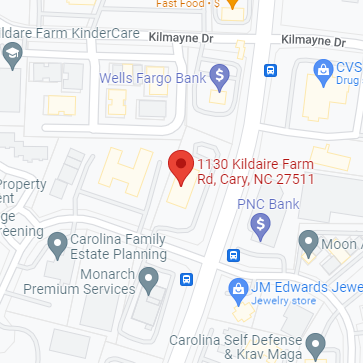
Cary, NC
© 2022 The Law Offices of John M. McCabe, P.A. | All Rights Reserved

Attorney Advertising | Prior results do not guarantee a similar outcome. The information on this website is for general information purposes only. Nothing on this site should be taken as legal advice for any individual case or situation. This information is not intended to create, and receipt or viewing does not constitute, an attorney-client relationship. This site is protected by reCAPTCHA and the Google Privacy Policy and Terms of Service apply.

linkedin facebook pinterest youtube rss twitter instagram facebook-blank rss-blank linkedin-blank pinterest youtube twitter instagram